We lost Supreme Court Justice Ruth Bader Ginsberg on Friday, September 18, 2020. Many of us are mourning that loss.
In Judaism, when you hear of the death of a loved one, or one whom you respect, it is traditional to say “Baruch Dayan HaEmet,” which means, “Blessed is the True Judge.” This time that has a special – and dual – meaning.
Faith is a very precarious thing. People’s inner faith lives are diverse, as are the expressions of faith. When we lose someone to Death it’s easy to fall into the trap that Despair lays for us. It is normal to ask, “why,” as though knowing a reason might mitigate the feelings we are experiencing. Then there is the harsh reality that life isn’t fair.
I turned, as I often do, to one of my favorite sources of comfort, the words of Merlyn in TH White’s, “The Once and Future King.” In it Merlyn tells a story too young Arthur:
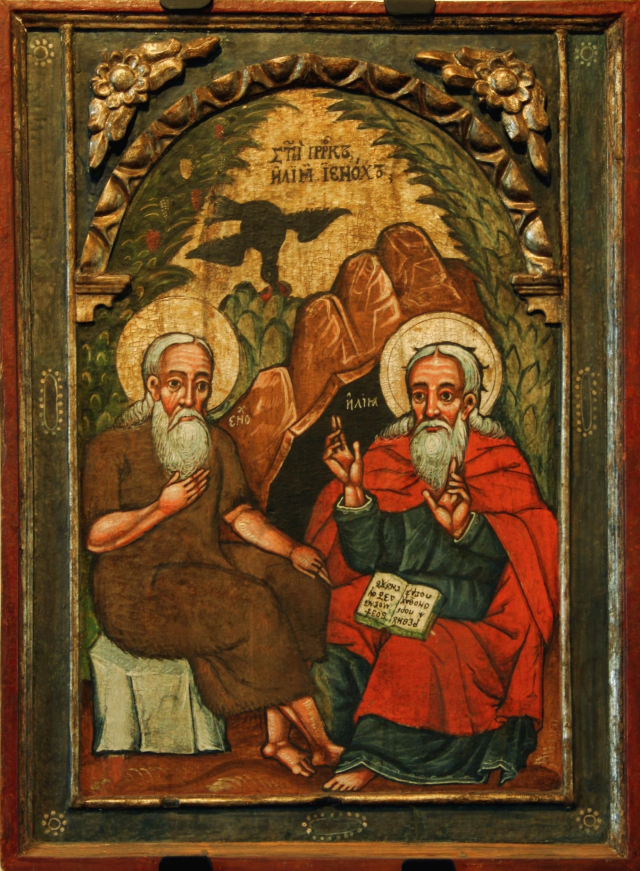
“Sometimes,” Meryln said, “life does seem to be unfair. Do you know the story of Elijah and the Rabbi Jachanan?”
“This rabbi,” said Merlyn, “went on a journey with the prophet Elijah. They walked all day, and at nightfall came to the humble cottage of a poor man, whose only treasure was a cow. The poor man ran out of his cottage, and his wife ran, too, to welcome the strangers for the night and offer them all the simple hospitality which they were able to give in straitened circumstances. Elijah and the Rabbi were entertained with plenty of the cow’s milk, sustained by home-made bread and butter, and they were put to sleep in the best bed while their kindly hosts lay down before the kitchen fire. But in the morning the poor man’s cow was dead.
The walked all the next day, and came that evening to the house of a very wealthy merchant, whose hospitality they craved. The merchant was cold and proud and rich, and all that he would do for the prophet and his companion was to lodge them in a cowshed and feed them on bred and water. In the morning, however, Elijah thanked him very much for what he had done, and sent for a mason to repair one of his walls, which happened to be falling down, as a return for his kindness.
The Rabbi Jachanan, unable to keep silence any longer, begged the holy man to explain the meaning of his dealings with human beings.
“’In regard to the poor man who received us so hospitably,’ replied the prophet, ‘it was decreed that his wife was to die that night, but in reward for his goodness, God took the cow instead of his wife. I repaired the wall of the rich miser because a chest of gold was concealed near the place, and if the miser had repaired the wall himself he would have discovered the treasure. Say not therefore to the Lord: What doest thou? But say in thy heart: Must not the Lord of all the earth do right?’”
–TH White, “The Once and Future King,” Liber Primus
In these times we may not see a reason “why.” The truth is that there might not be “a reason.” But, our job is to carry on. Keep traveling with the prophet. Always seek to do the right things by showing mercy, compassion, fairness, and generosity.
That may not be much comfort. In an era in which grief and loss seem to be every day occurrences, there might not be much comfort to give. But I leave you with this story, and the blessing:
Baruch Dayan HaEmet
 acorns2oaktrees